
AI art, what about it?
Musings on AI on art, the future of the commercial art industry in an AI world, medieval masters and Michelangelo

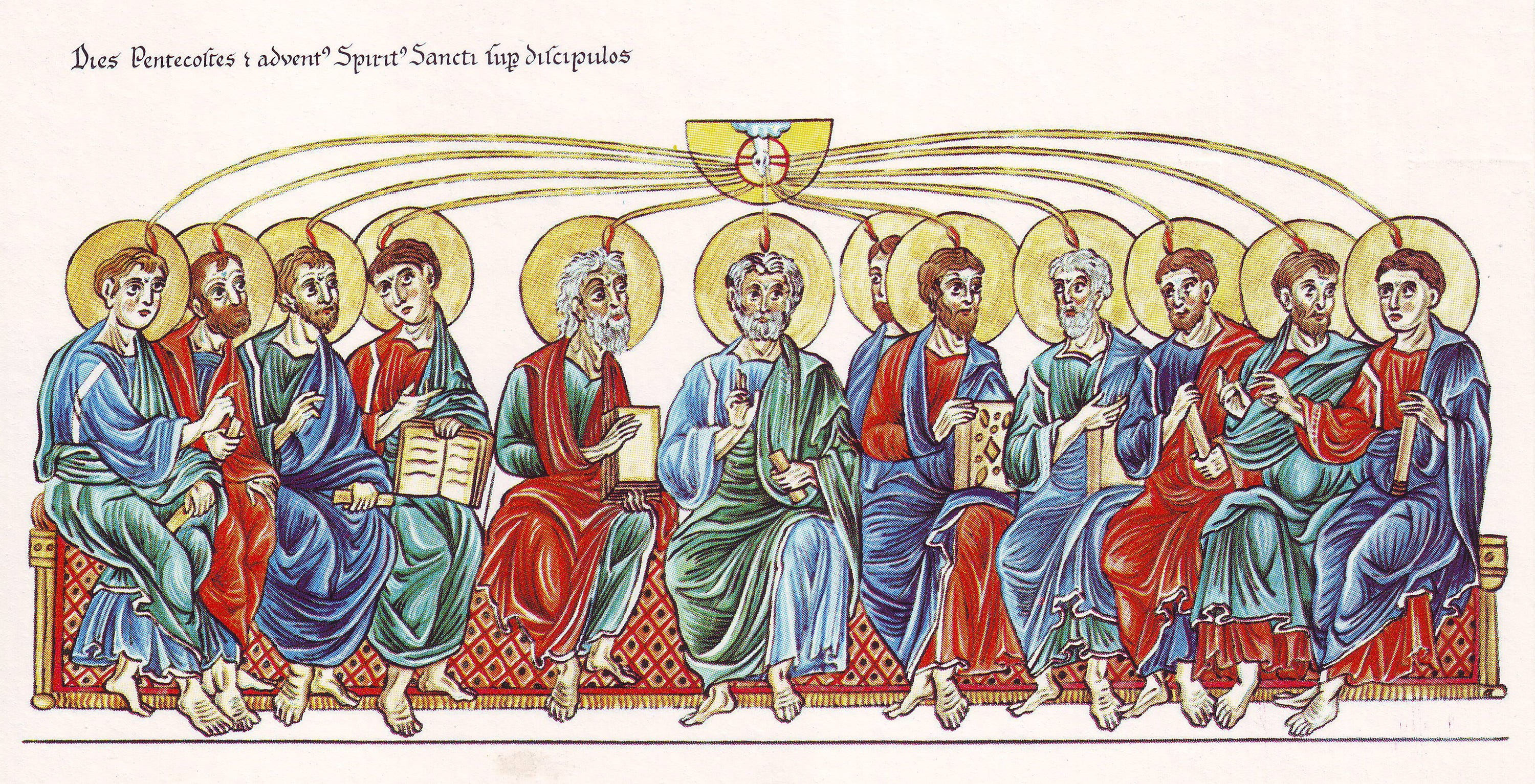
Whenever I visit a museum, I like to start at the oldest paintings, especially if they happen to be Gothic, medieval or Pre-Renaissance. Looking at these works I’ll hear comments like, why is the perspective so bad, or its looks so flat or these look so naive, the figures look so stiff and wooden.
It’s certainly a contrast with Michelangelo’s frescoes on the ceiling of the Sistine Chapel. One never forgets the overwhelming awe one feels when looking at those magnificent figures, all while trying to fathom that it is largely all the work of one single artist.
Thinking of these contrasting images reminds me of the current discourse around AI and art.
In my day to day life I’m struck with how common the subject of AI comes up. Whether it is talking about how to prepare for a trip, how to layout the floorplan for a new living room, or how to use it to translate emails it comes up all the time. The speed that is has become interwoven in to daily habitual use is astounding.
Recently I was asked, if something is created by an AI, can it even be considered art?
My response: If an artist is using AI to make their own art, I care about it less, I can’t help it. It could be used as just as a tool, akin to a camera or digital software like the Adobe Suite (though with less effort). I am often dubious of such use of AI, and I feel that it somehow diminishes the work. Most AI art is derived from the vast database of works that have already been produced by human vision, and feels like soulless facsimiles that give nothing more than the illusion of human aesthetic sensibility but none of its depth.
Still, and perhaps I’m being generous, I’ll still consider it “art.” It might be dazzling, special effects heavy, superficial, hyperpolished, tasteless and commercial, but if I could at least sense a human hand or vision behind it, I’ll see it as a form of art.
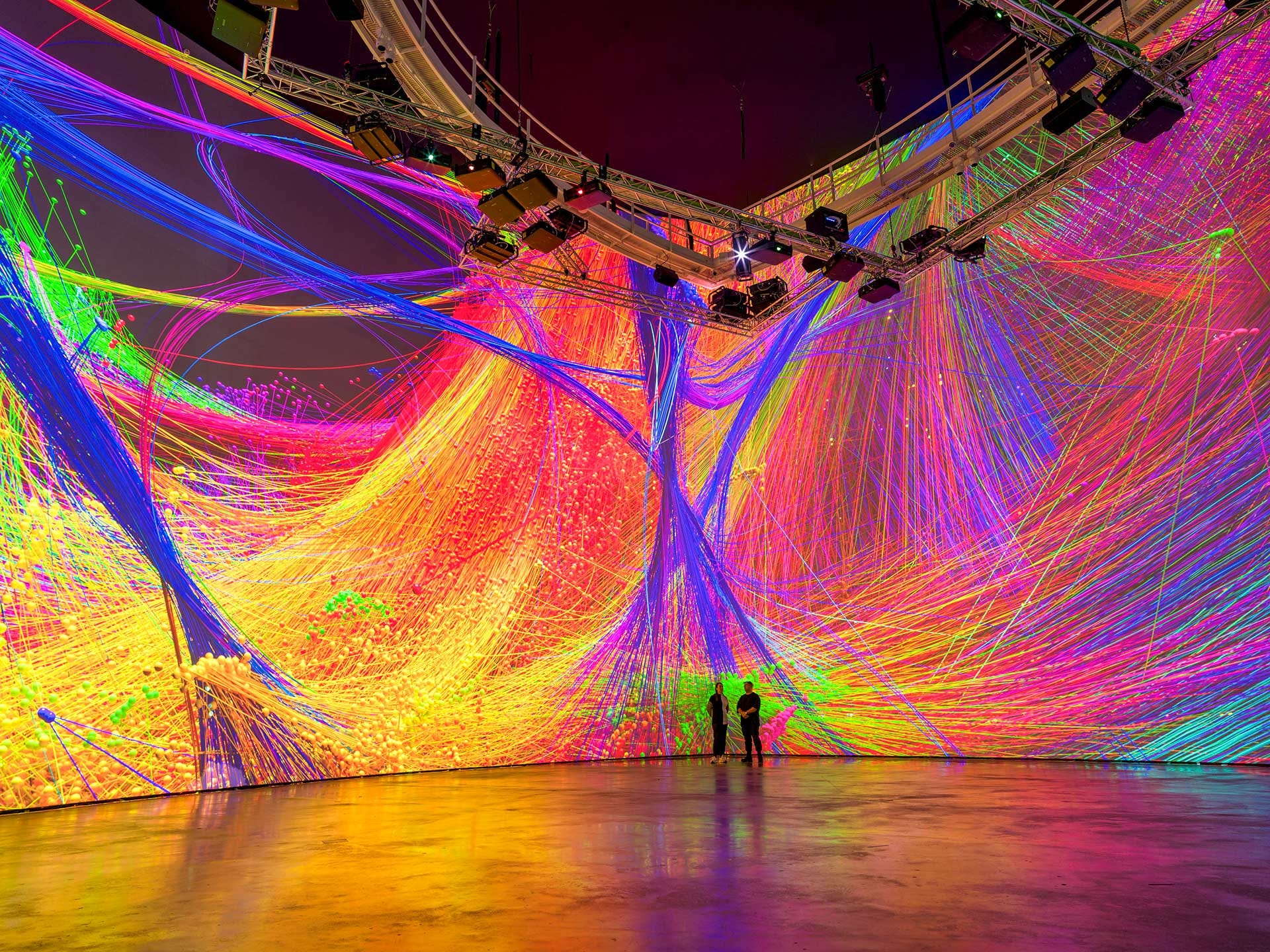
However, are we approaching a crossroads where soon AI art will surpass human achievements and find its own voice, it’s own vision, it’s own soul?
Perhaps if it was something that was created wholly by an AI without any human prompt, query, command or link to human works. I’m not sure what could be and whether or not it has even happened already, but it would mean something that I think would be in some sort of phenomena that I can’t quite comprehend and connect with.
Perhaps because of this I might be fascinated by it, maybe fearful of it, even inspired by it, but I don’t know if I would see it as an artform anymore—certainly it would be separate and distinct from “human art,” like some byproduct of an almost alien manifestation that we had no connection to.
Keep reading with a 7-day free trial
Subscribe to Jun-Pierre Art Notes to keep reading this post and get 7 days of free access to the full post archives.